Fleet electrification is quickly gaining traction in Australia due to its operational efficiency and environmental benefits.
If you’ve wondered about transitioning your fleet to electric vehicles, our guide is for you.
Here is why fleet electrification is important, how to get started, and important considerations before you make the switch.
Key Summary
- Fleet electrification is the process of transitioning from traditional ICE vehicles to electric vehicles
- Benefits of fleet electrification include a reduced carbon footprint, lower operational costs, and a positive brand image
- Charging infrastructure, cost of ownership, and operational demands are important considerations for successful fleet electrification
- Australia’s government strongly supports fleet electrification and backs up its stance with various incentives and discounts
What Is Fleet Electrification?
Fleet electrification is the process of replacing a fleet of internal combustion engine vehicles (ICE) to electric vehicles. This transition replaces vehicles that rely on fossil fuel with more environmentally friendly EVs.
Fleets are often comprised of:
- Company cars
- Buses
- Heavy-duty trucks
- Delivery vans
Long-Term Benefits of Fleet Electrification for Commercial Fleets
Environmental Benefits
One of the biggest and most well-known benefits of fleet electrification is the immediate and long-term environmental benefits.
Switching from a fleet of internal combustion engine vehicles to electric vehicles reduces reliance on fossil fuels and lowers emissions.
Fleet electrification can provide environmental benefits, such as:
- Decreased greenhouse gas (GHG) emissions
- Setting an example for sustainable transport
- Reduced carbon footprint
- Be a strong part of supporting WA’s environmental goals and push toward net zero
- Combatting air pollution
Related Reading: Do EVs Actually Reduce Emissions?
Lower Operating Costs
Electric vehicles are known for having a higher upfront cost, but this can be offset by long-term savings on operating costs.
Lower operational costs of an electric vehicle fleet are a result of:
- Electricity generally costs less than diesel or petrol and its price is typically more stable
- Electric vehicles require less maintenance and have fewer components to maintain
- Lower overall cost of ownership compared to petrol or diesel vehicles
- Electric vehicle motors convert stored energy more efficiently than internal combustion engines
- Reduced servicing and fuel expenses
See a detailed comparison of the operational costs of EVs vs ICE vehicles here:
Are Electric Cars Cheaper To Run? Cost Comparison EV vs ICE.
Government Incentives
The Australian government offers numerous tax rebates, lower tariffs, and ongoing incentives and grants. These incentives can help offset the initial investment of electrifying your fleet.
Positive Brand Reputation
Australian consumers are becoming increasingly environmentally conscious and interested in companies making sustainable choices. Switching to an electric fleet can strengthen your brand image and draw in environmentally-conscious consumers.
Learn more about the benefits of fleet electrification in our guide here: Benefits of Transitioning Your Fleet to Electric Vehicles.
Key Considerations for Fleets to Electrify
Vehicle Suitability
Selecting suitable electric vehicles is crucial to successful fleet electrification.
To choose the right electric vehicles for your fleet, consider:
- Vehicle range
- Vehicle size
- Charging capabilities
- Payload capacity
- Specialised needs depending on industry (i.e. higher cargo capacity)
Operational Demands and Fleet Needs
Operational demands to consider for fleet electrification include:
- Charging logistics
- Duty cycles
- Charging speeds
- Daily mileage
- Route planning
- Available charging infrastructure along routes
For instance, will vehicle range affect any of your routes? Will modifications need to be made to accommodate range limitations or charging schedules?
Charging Infrastructure
Appropriate charging infrastructure is one of the most important components of successful fleet electrification.
You will need to determine:
- How many charging stations you will need
- Optimal charging station placement
- What power levels your fleet will require
- Charging requirements for the fleet
- Charging location accessibility
- Energy management systems
- Optimal charging schedules
Learn more about getting your building EV-ready here: What Makes an EV-Ready Building?
Possibility of Future Expansion
Keep the future plans for your electric vehicle fleet in mind. Do you plan to add more EVs in the future? Will you need more charging stations?
Ensure your charging infrastructure supports your current needs, along with the possibility of accommodating future demands.
Total Cost of Ownership
Put together a detailed TCO (total cost of ownership) analysis. A TCO will determine your return on investment and the financial impact of fleet electrification.
As part of your total cost of ownership, evaluate:
- Maintenance and operational costs
- Initial investment of electric vehicles
- Fuel savings
- Impact of any available government incentives or tax rebates
Steps to Fleet Electrification: A Streamlined Process
We know there is a lot of technical jargon involved in fleet electrification that can feel overwhelming.
That’s where we step in to simplify the process and take over the technical side of things.
All you need to do is tell us what you need, and we handle the rest in three easy steps:
- Step 1: Contact us for a quote, no technical knowledge required on your end.
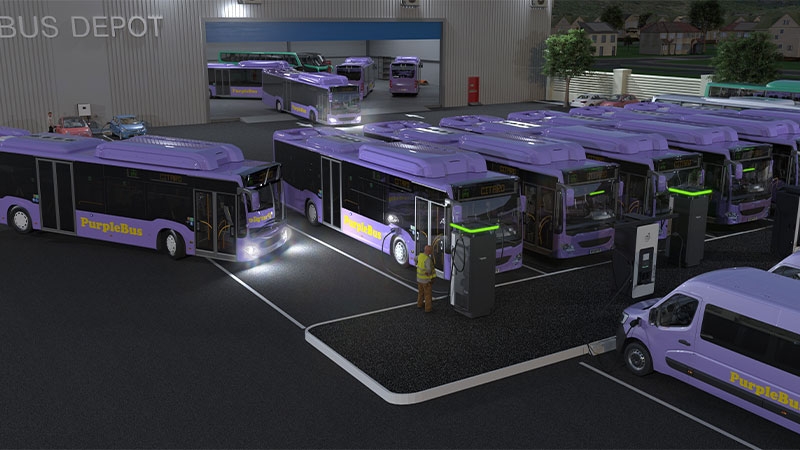
- Step 2: Full site audit and assessment of depot layout, fleet schedules, electrical capacity, and grid connection. From there, we provide a clear installation plan and detailed quote.
- Step 3: Our licensed experts install compliant, future-ready high-power DC infrastructure. And we stick with you for the life of the system with on-call maintenance, monitoring, and load management.
Learn more about our EV Charger Load Management Systems and how the right charge management software takes the guesswork out of operational needs.
Why Is Fleet Electrification Important?
Fleet electrification offers a significant opportunity to reduce your company’s emissions, move toward net zero, and reduce your operating costs.
The Australian government expresses strong support for fleet electrification. And Australia has proven that with actionable steps toward reaching its target of net zero emissions.
The Australian government also supports fleet electrification with various initiatives, discounts, and incentives.
For example, the Electric Car Discount legislation took effect in 2022. This discount helps reduce the initial cost of purchasing EVs, making fleet electrification more attainable.
See what EV incentives are available for your state or territory here: Government support for buying EVs | energy.gov.au.
How EV Charging Systems Can Help You Reach Net Zero Transition
Fleet electrification offers numerous operational, environmental, and economic benefits. We are proud to lead the way in helping Australian organizations move toward a more sustainable, low-carbon future.
We are the EV charger installer truck and bus depots can depend on for turnkey solutions. We make achieving your fleet electrification goals easy by handling everything, including design, installation, commissioning, and dynamic load management.
We deliver certified bus depot and truck EV charger installation Perth fleets have come to rely on. Our factory-trained technicians, licensed electricians, and ISO standard commissioning ensure reliable, complaint charging infrastructure.
Leave the complexity to us, and we’ll provide full turnkey EV charger installation for your fleet. Contact us and we’ll start evaluating your depot’s EV charging requirements in collaboration with your operations or fleet manager.